Spray foam insulation is becoming an increasingly popular choice for homeowners and builders alike. This innovative insulation material offers numerous benefits in terms of energy efficiency, cost savings, and overall comfort. By understanding how spray foam insulation works and the advantages it provides, individuals can make informed decisions about incorporating this material into their construction or renovation projects. Understand the details of spray foam through https://fdinsulation.com/the-dos-and-donts-of-using-expanding-foam-insulation-around-the-house/
Spray foam insulation is a type of insulation that is applied as a liquid and then expands into a foam, creating a seamless barrier against air and moisture infiltration. This insulation method offers superior performance compared to traditional insulation materials such as fiberglass or cellulose. The foam fills cracks, gaps, and other irregularities in the building envelope, effectively sealing the structure and preventing air leakage. Consequently, spray foam insulation can significantly reduce heating and cooling costs by providing a more airtight and well-insulated space. Additionally, this insulation material can enhance indoor comfort by minimizing drafts and improving indoor air quality by acting as a barrier against dust, pollen, and other allergens.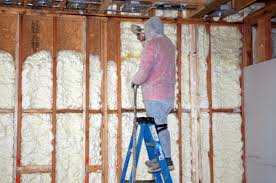
Expanding Foam Insulation: Dos and Don’ts
When it comes to using expanding foam insulation around your house, there are several dos and don’ts that you should keep in mind. Expanding foam insulation is a popular choice for sealing gaps, cracks, and voids in walls, ceilings, and floors. It provides excellent insulation and helps to prevent drafts, moisture, and pests from entering your home. However, it is important to use expanding foam insulation correctly to avoid potential issues.
One of the dos of using expanding foam insulation is to carefully read and follow the manufacturer’s instructions. Each brand of expanding foam insulation may have specific application guidelines and drying times, so it is crucial to understand and follow these instructions properly. Additionally, it is important to wear protective gear, such as gloves and goggles, when using expanding foam insulation to protect yourself from skin irritation and eye damage.
However, there are also some don’ts that you should be aware of when using expanding foam insulation. For instance, do not overfill or overapply the foam as it can expand significantly and may cause damage to surfaces or structures. It is also essential not to block ventilation points or exhaust vents with expanding foam insulation, as this can lead to poor air circulation and potential hazards. Lastly, it is crucial to avoid touching or removing the insulation once it has fully cured, as this can affect its effectiveness.
In conclusion, spray foam insulation is a highly beneficial choice for homeowners and builders looking to improve energy efficiency, reduce costs, and enhance overall comfort. Its innovative liquid-to-foam application method creates a seamless barrier against air and moisture infiltration, resulting in a more airtight and well-insulated space. By filling cracks and gaps in the building envelope, spray foam insulation effectively seals the structure and prevents air leakage, which leads to significant heating and cooling cost savings. Additionally, this insulation material improves indoor comfort by minimizing drafts and acting as a barrier against allergens, ultimately creating a healthier living environment. However, when using expanding foam insulation, it is important to follow the manufacturer’s instructions, take necessary safety precautions, avoid overfilling, and not block ventilation or exhaust points. By adhering to these guidelines, individuals can make the most of spray foam insulation’s many benefits.


